
Inside Chornobyl — 2009
Five parts of footage from inside the Exclusion Zone
I shot this footage with my friend Philip Morris on my second trip into the Chornobyl Exclusion Zone in 2009. It wasn't planned as a film, I just wanted a record of what walking around a place like this actually looked and sounded like, so I kept the camera running once we were past the checkpoints, through the empty streets and abandoned buildings.
This footage was originally presented on my old website, firesuite.com. YouTube didn't like some of the musical choices I made at the time (this was before they cracked down on music copyright), so a couple of the parts had to be recreated without a soundtrack. I can't believe it's been 17 years already.
What follows is raw and largely unedited, five parts in the order we filmed them.

Part I: Entering the Zone
We start in Chornobyl town, which is still inhabited by a small number of plant workers and staff even now. From there the road runs straight to the power plant, past the usual signs of a place still functioning quietly around the edges, until it doesn't anymore.
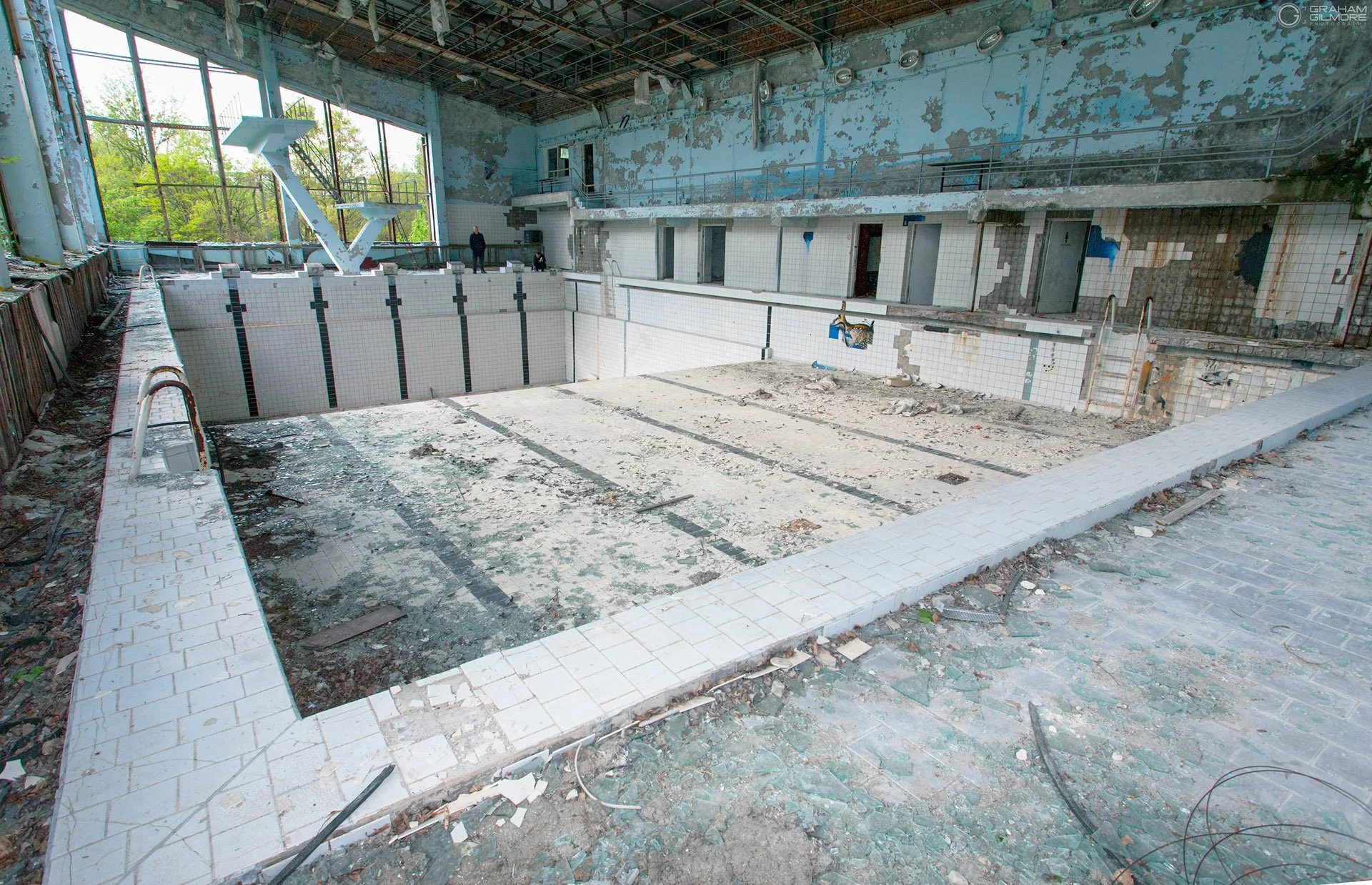
Part II: Pripyat
This part covers the hospital, a café, the police station, and the old Azure swimming pool. All four are stripped down to bare concrete and rust at this point, but you can still tell what each building used to be for.
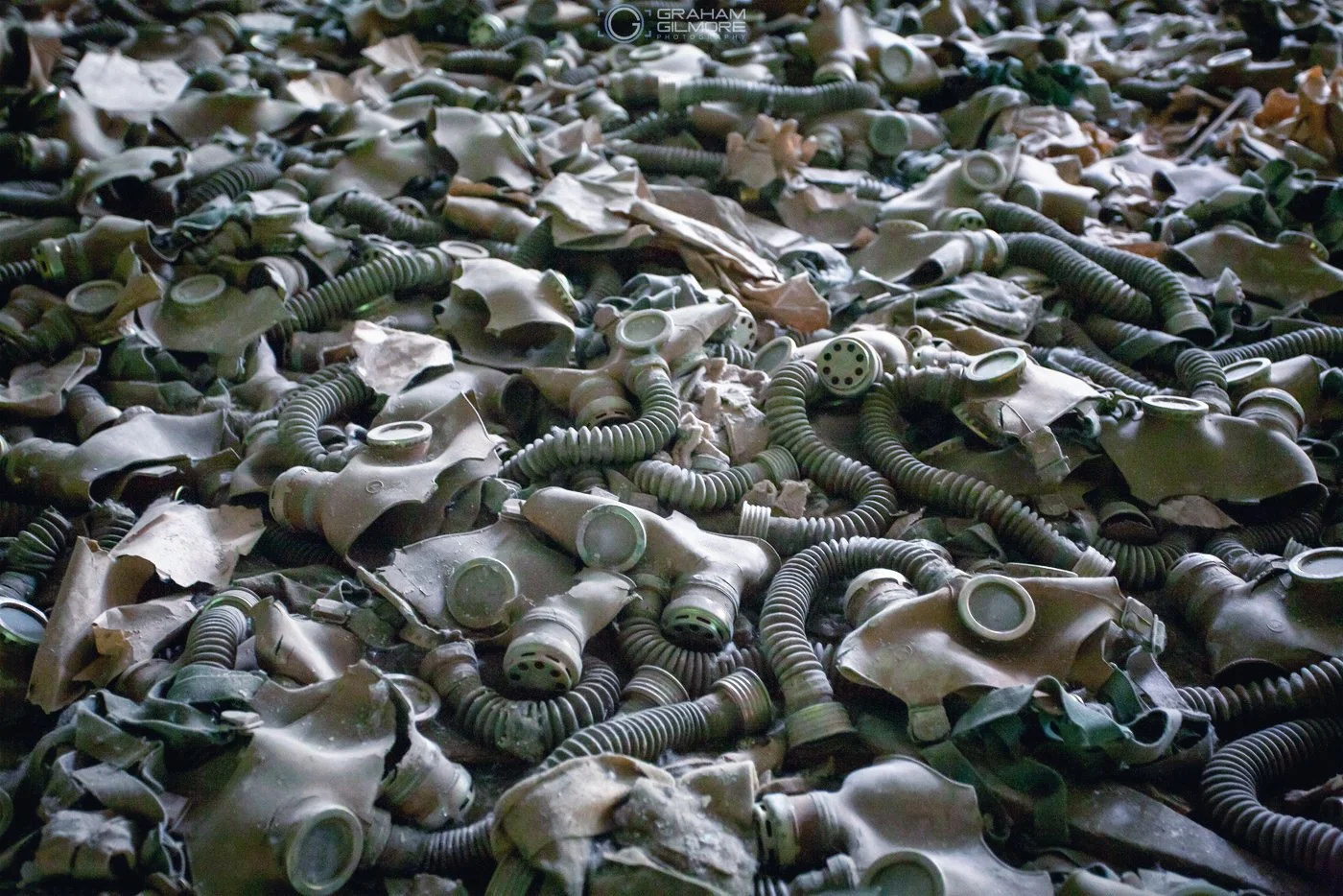
Part III: Interiors and Remnants
We go deeper into Pripyat here — classrooms, corridors, a kindergarten still scattered with beds and toys, apartment buildings with the doors hanging open. This is the part that got to me the most.

Part IV: The Amusement Park
Bumper cars and the Ferris wheel, rusted in place since 1986. It's probably the most photographed spot in the whole zone, and worth seeing on video too, since the stillness of the place is hard to get across in a single photo.

Part V: The Outer Zone
The last part moves past Pripyat into the outlying villages, then ends back in Chornobyl town at the ship graveyard on the river, where old vessels have been left to rot in place.
This is The Chornobyl Exclusion Zone as it was in 2009, before it became as well-known as it is today. I haven't cleaned it up or added narration since.
There's also a set of photographs from the same trip, and a longer essay covering both my visits, if you want to see more.